

ZeroSecurity - Information Security News
  • Home
  • Security
    • Exploits
    • Mobile Security
  • Malware
  • Breaches
  • Crypto
  • Privacy
  • Tech
    • AI
    • Downloads
      • Malwarebytes
      • Exploits
      • Paper Downloads
    • Reviews
No Result
View All Result
SUBSCRIBE
ZeroSecurity - Information Security News
  • Home
  • Security
    • Exploits
    • Mobile Security
  • Malware
  • Breaches
  • Crypto
  • Privacy
  • Tech
    • AI
    • Downloads
      • Malwarebytes
      • Exploits
      • Paper Downloads
    • Reviews
No Result
View All Result
ZeroSecurity - Information Security News
No Result
View All Result
Home Malware

Windows 8 Launch brings in Phishing scams

Paul by Paul
November 2, 2012
in Malware, Public
Reading Time: 2 mins read
Remove Win 8 Antivirus
Share on FacebookShare on Twitter

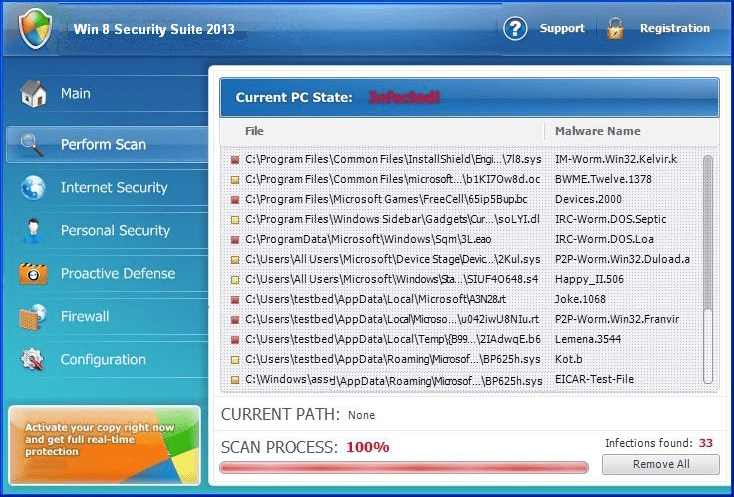
Windows 8 Is not even a week old, but the scammers and phishing gangs already are taking their swings at it, launching new efforts established on the shiny new operating system. Security researchers have discovered a new scareware campaign playing off of the Windows 8 launch, as well as a phishing email trying the same tactics.

You might also like

Chinese Hackers Hijack Notepad++ Updates in 6-Month Supply Chain Campaign

Malicious Chrome Extensions Steal AI Data and Hijack Revenue in DarkSpectre Campaign

DoubleClickjacking – The Stealthy New Web Exploit Threatening User Security

This time, the Windows 8 the launching has urged a new strain of scareware–surely not the last–that aims to be the “Win 8 Security System” and, of course, warns victims about a series of non-existent threats on their PCs.

The scareware presents users a warning, saying that their machines are infected and informing them that they should register their copy of the scareware in order to see what the threats are and remove them, according to an analysis from Trend Micro

sers often will come across these fake antivirus or scareware threats on either compromised legitimate Web sites or malicious sites. Scammers will try to compromise popular legitimate sites, such as news sites, social media sites and others and insert some malicious code onto the sites. When users visit a compromised site, they may see a pop-up window telling them that their machine is infected. Usually, clicking on any link in the pop-up will download the scareware, which could then require a payment of $50 or $100 in order to remove it.

Scammers rely on users searching for popular terms, such as Windows 8, in order to land on the malicious sites they control, so they tie their campaigns to trending terms. The researchers at Trend Micro also came across a phishing campaign that’s tied to Windows 8, trying to goad them into downloading a free copy of the new OS.

Rather than a free version of Windows 8, the victim gets a request for their personal data, including name, email and other details.

Tags: breakinglatestnewsphisingscam
Previous Post

New found Vulnerability in Yahoo’s framework YUI 2

Next Post

657k South Carolina businesses security at risk

Paul

Paul

Editor and chief at ZeroSecurity. Expertise includes programming, malware analysis, and penetration testing. If you would like to write for ZeroSecurity, please click "Contact us" at the bottom of the page.

Recommended For You

Chinese Hackers Hijack Notepad++ Updates in 6-Month Supply Chain Campaign

Chinese Hackers Hijack Notepad++ Updates in 6-Month Supply Chain Campaign

February 6, 2026
Malicious Chrome Extensions Steal AI Data and Hijack Revenue in DarkSpectre Campaign

Malicious Chrome Extensions Steal AI Data and Hijack Revenue in DarkSpectre Campaign

January 30, 2026

DoubleClickjacking – The Stealthy New Web Exploit Threatening User Security

January 1, 2025

BadBox Botnet Infects Over 190,000 Android Devices Worldwide

December 20, 2024

FBI Warns of HiatusRAT Targeting Network Devices Worldwide

December 18, 2024

Was Deloitte Hacked Again? Ransomware Group Claims They Did

December 9, 2024

Related News

Malicious Chrome Extensions Steal AI Data and Hijack Revenue in DarkSpectre Campaign

Malicious Chrome Extensions Steal AI Data and Hijack Revenue in DarkSpectre Campaign

January 30, 2026
KPMG Netherlands Listed as Victim by Nova Ransomware Group

KPMG Netherlands Listed as Victim by Nova Ransomware Group

January 24, 2026
RansomHouse Claims Breach of Key Apple Assembler Luxshare

RansomHouse Claims Breach of Key Apple Assembler Luxshare

January 20, 2026
ZeroSecurity - Information Security News

We cover the latest in technology news, Crypto, Artificial Intelligence, and the threat trends impacting these sectors.

Categories

Piracy

Tutorials

Programming

Malware Analysis

Downloads

  • Contact us
  • Press
  • Writers
  • Privacy Policy
  • Terms of Service

© 2026 ZeroSecurity, All Rights Reserved.

No Result
View All Result
  • Home
  • Security
    • Tools
  • Exploits
  • Data Breaches
  • Malware
  • Privacy
  • Mobile Security
  • Contact Us
    • Press
  • Privacy Policy

© 2026 ZeroSecurity, All Rights Reserved.

This website uses cookies. By continuing to use this website you are giving consent to cookies being used. Visit our Privacy and Cookie Policy.