

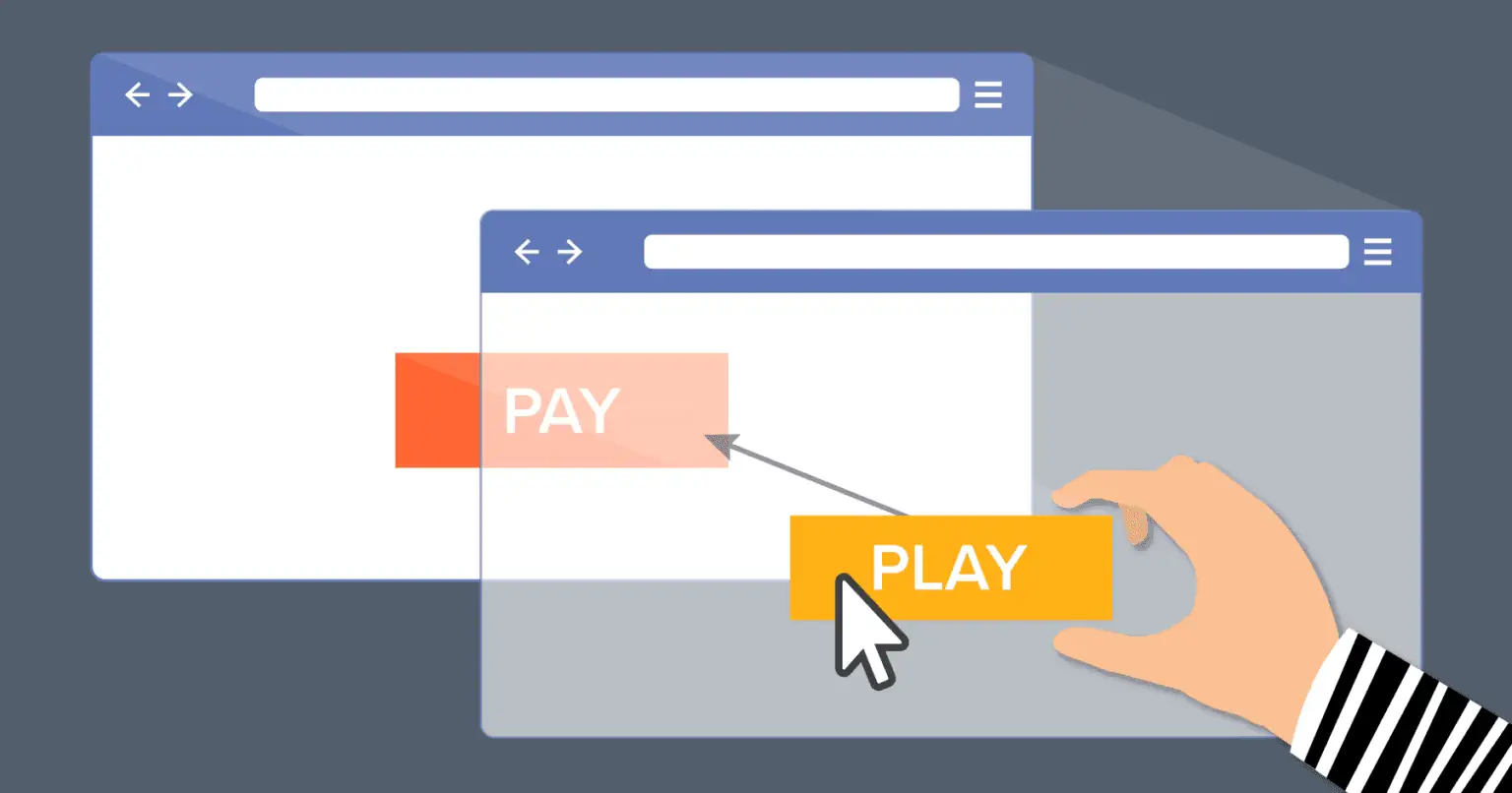
Imagine a hacking technique so cunning it can slip past your most robust defenses with nothing more than two seemingly innocent clicks. Security researchers have just uncovered a vulnerability that turns everything we thought we knew about web protection on its head. This isn’t your average security alert – it’s a game-changing exploit that could leave millions of users vulnerable in the blink of an eye.
The Birth of DoubleClickjacking
Security researcher Paulos Yibelo has uncovered a exploit that transforms the traditional understanding of clickjacking. “Instead of relying on a single click, it takes advantage of a double-click sequence,” Yibelo explains. This isn’t just another minor security flaw—it’s a game-changing vulnerability that bypasses nearly all existing web protection mechanisms.
How DoubleClickjacking Works
The attack is elegantly simple yet devastatingly effective:
- An attacker creates a seemingly harmless website
- A new browser window opens, mimicking a legitimate CAPTCHA or verification page
- The user is prompted to double-click
- During that precise moment, the parent site uses JavaScript to redirect to a malicious page
- The top window closes, completing the account takeover
“Most web apps and frameworks assume that only a single forced click is a risk,” Yibelo warns. Existing protections like X-Frame-Options, SameSite cookies, and Content Security Policy (CSP) are powerless against this innovative attack.
Protecting Against the Threat
Website owners aren’t defenseless. Several mitigation strategies can help:
- Implement client-side protection that disables critical buttons by default
- Require additional authentication for sensitive actions
- Use mouse gesture or key press detection before enabling critical functions
Dropbox has already implemented some of these preventative measures, setting a benchmark for other platforms.
A Broader Context of Web Vulnerabilities
This isn’t Yibelo’s first groundbreaking security research. Nearly a year ago, he demonstrated another clickjacking variant called cross window forgery or “gesture-jacking”. Platforms like Coinbase and Yahoo! were particularly vulnerable, potentially allowing account takeovers through seemingly innocuous key presses.
Recommendations for Users
- Stay vigilant when double-clicking on unfamiliar websites
- Use multi-factor authentication
- Keep browsers and security software updated
- Be cautious of unexpected verification requests