
Checkmarx Researchers have discovered a concerning vulnerability that spans multiple open-source programming ecosystems, including PyPI, npm, Ruby Gems, NuGet, Dart Pub, and Rust Crates. This discovery highlights a potential avenue for sophisticated software supply chain attacks that could have far-reaching consequences for developers and enterprises.
The Nature of the Threat
The vulnerability centers around exploiting entry points, a feature common in many programming languages that allow developers to expose functionality as command-line wrappers or load plugins to enhance package capabilities. While designed to improve modularity and flexibility, these entry points can be manipulated by malicious actors to execute harmful code when specific commands are run.
Command-Jacking: A Stealthy Attack Vector
One of the primary techniques identified by researchers is “command-jacking.” This method involves creating counterfeit packages that use entry points to impersonate popular third-party tools and commands. When unsuspecting developers install these packages, sensitive information can be harvested, even if the package is distributed as a wheel (.whl) file.
Potential targets for command-jacking include widely-used commands such as npm, pip, git, kubectl, terraform, and dotnet. Additionally, attackers may exploit legitimate system command names like touch, curl, and ls as entry points to hijack execution flow, particularly in development environments where local package directories take precedence in the PATH order.
Command Wrapping: Enhancing Stealth and Persistence
An even more insidious variation of command-jacking is “command wrapping.” This technique creates an entry point that acts as a wrapper around the original command, executing malicious code while invoking the legitimate command and returning expected results. This approach makes detection extremely difficult, as there are no immediate signs of compromise during normal use.
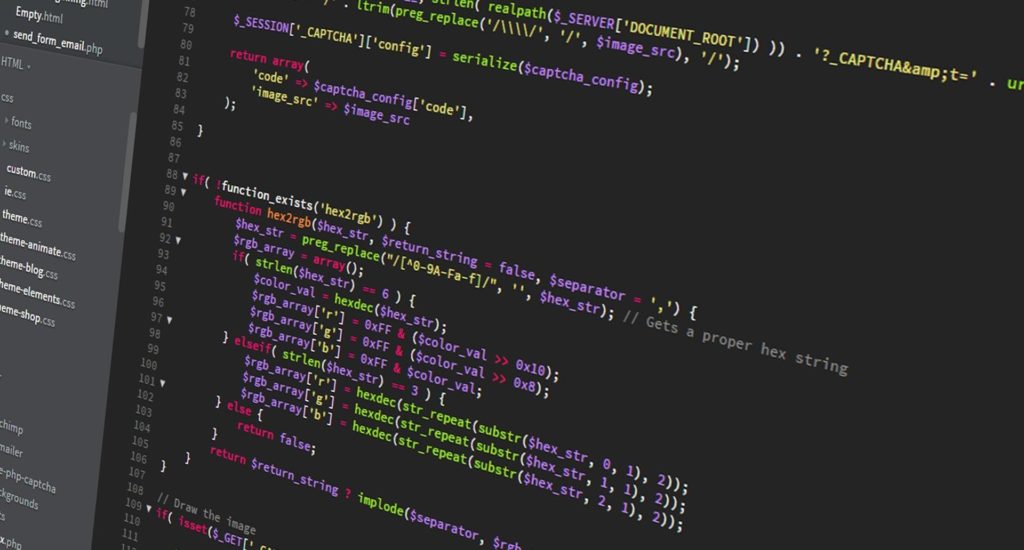
Using Python Entry Points to manipulate CLI commands:
Malicious Plugins: Compromising Developer Tools
Another attack vector involves creating malicious plugins and extensions for developer tools. These rogue additions can gain broad access to codebases, allowing attackers to alter program behavior or manipulate testing processes to conceal their activities.
The Scope of the Problem
The discovery of these vulnerabilities comes at a time when the threat landscape for open-source ecosystems is rapidly evolving. Recent data from Sonatype’s State of the Software Supply Chain report indicates a staggering 156% year-over-year increase in malicious packages discovered across Java, JavaScript, Python, and .NET ecosystems since November 2023, totaling over 512,847 packages.
Challenges in Detection and Prevention
What makes these new attack methodologies particularly concerning is their ability to bypass traditional security measures. Many existing tools fail to detect these sophisticated supply chain attacks, leaving both individual developers and automated build environments exposed to significant risk.
Moving Forward: Securing the Software Supply Chain
As the threat landscape continues to evolve, the cybersecurity community must develop comprehensive security measures that account for entry-point exploitation. This will require a multi-faceted approach, including:
- Enhanced monitoring and validation of package ecosystems
- Improved developer education on supply chain security risks
- Development of new tools capable of detecting sophisticated attack patterns
- Collaboration between package maintainers, security researchers, and platform providers
By addressing these risks head-on, the open-source community can work towards creating a more secure packaging environment that safeguards both individual developers and enterprise systems against the next generation of supply chain attacks.