

ZeroSecurity - Information Security News
  • Home
  • Security
    • Exploits
    • Mobile Security
  • Malware
  • Breaches
  • Crypto
  • Privacy
  • Tech
    • AI
    • Downloads
      • Malwarebytes
      • Exploits
      • Paper Downloads
    • Reviews
No Result
View All Result
SUBSCRIBE
ZeroSecurity - Information Security News
  • Home
  • Security
    • Exploits
    • Mobile Security
  • Malware
  • Breaches
  • Crypto
  • Privacy
  • Tech
    • AI
    • Downloads
      • Malwarebytes
      • Exploits
      • Paper Downloads
    • Reviews
No Result
View All Result
ZeroSecurity - Information Security News
No Result
View All Result
Home Exploits

CISA Orders Immediate Disconnection of Vulnerable Ivanti VPNs

Kyle by Kyle
February 1, 2024
in Exploits
Reading Time: 2 mins read
Security Alert: CISA Orders Urgent Disconnection of Vulnerable Ivanti VPNs. Agencies must act by Feb 2, follow recovery protocols.
Share on FacebookShare on Twitter

The Cybersecurity and Infrastructure Security Agency (CISA) has issued a critical directive mandating U.S. federal agencies to take immediate action to secure their networks against actively exploited vulnerabilities in Ivanti Connect Secure and Policy Secure VPN appliances.

Key Developments

  • CISA’s supplemental direction follows Emergency Directive 24-01, urging Federal Civilian Executive Branch agencies to secure Industrial Control Systems (ICS) and Intrusion Prevention Systems (IPS) against two zero-day flaws.
  • Threat actors have been exploiting CVE-2023-46805 and CVE-2024-21887 vulnerabilities in Ivanti appliances since December, with an additional zero-day (CVE-2024-21893) also actively targeted.
  • Ivanti released patches for affected software versions and provided mitigation instructions, including a recommendation to factory reset vulnerable appliances before applying patches.
  • As of January 31, over 22,000 Ivanti ICS VPNs are exposed online, with almost 390 compromised devices globally.
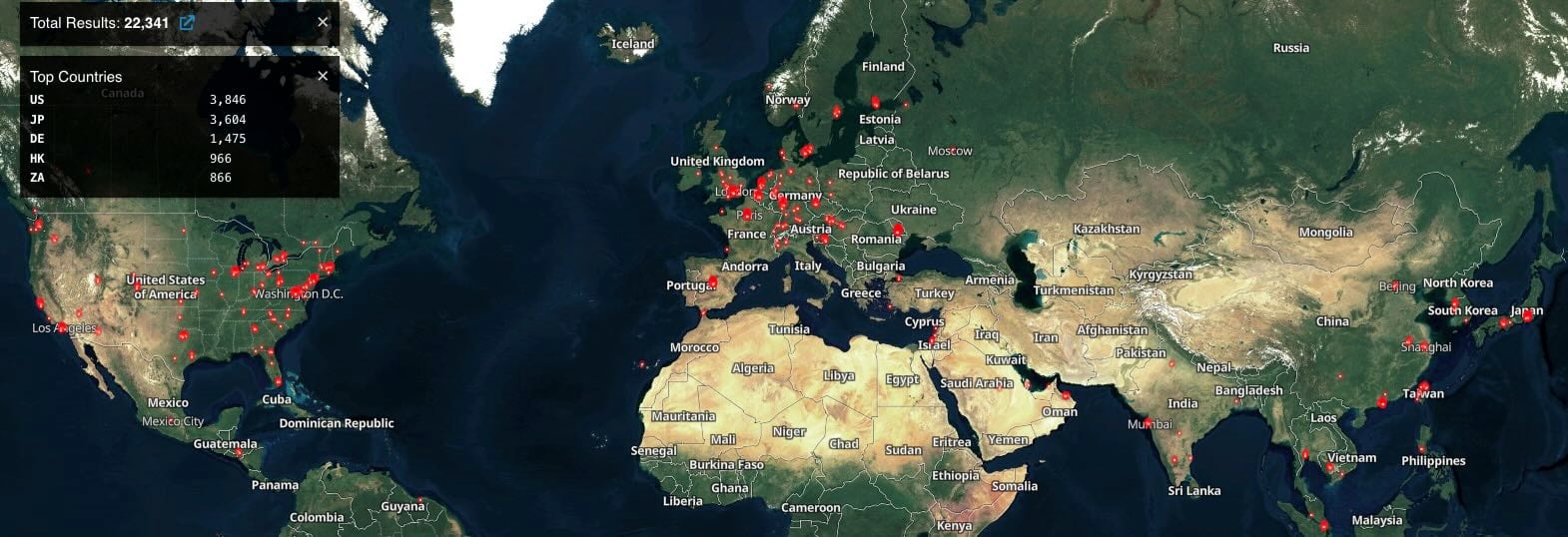
Ivanti VPNS open to exploit on Shodan
From Shodan.io

CISA’s Mandate: Disconnect and Secure

In response to the “substantial threat,” CISA has directed federal agencies to disconnect all instances of Ivanti Connect Secure and Policy Secure from their networks. The deadline for this action is 11:59 PM on Friday, February 2.

Post-Disconnection Protocols

  1. Agencies must search for signs of compromise on systems linked to or recently connected to the disconnected Ivanti devices.
  2. Continued monitoring of authentication services, isolation of enterprise systems, and auditing of privilege-level access accounts is mandatory.

Recovery Procedures

To bring Ivanti appliances back online, agencies must follow a structured recovery process:

You might also like

Hackers Exploit Maximum-Severity Cisco Zero-Day Bug Since 2023 (CVE-2026-20127)

DoubleClickjacking – The Stealthy New Web Exploit Threatening User Security

Critical Vulnerabilities Exposed in Ruijie Networks Cloud Platform

  1. Export appliance configurations.
  2. Perform a factory reset.
  3. Rebuild using patched software versions.
  4. Reimport the backed-up configurations.
  5. Revoke all connected or exposed certificates, keys, and passwords.

Account Compromise Mitigation

Federal agencies impacted by Ivanti products must assume account compromise and take additional measures:

  1. Disable joined/registered devices (in cloud environments).
  2. Conduct a double password reset for all accounts (in hybrid setups).
  3. Revoke Kerberos tickets and cloud tokens.

Reporting and Compliance

Agencies must report their status on all required actions to CISA using the provided CyberScope template. Updates on progress are required upon CISA’s request or completion of all mandated actions.

This Supplemental Direction remains in effect until CISA determines full compliance or takes other appropriate action.

Tags: Ivanti
Previous Post

Warner Bros. Takes Legal Action Over ‘Beetlejuice 2’ Leak

Next Post

Decentralized Social Network Mastodon is Hit Critical Security Flaw (CVE-2024-23832)

Kyle

Kyle

Writer, and editor at ZeroSecurity. Interested in Information Security, the Blockchain, and an overall tech enthusiast. "Formal education will make you a living; self-education will make you a fortune." Contact me here: [email protected]

Recommended For You

Photo of the CISCO logo and text saying "You have been hacked!"

Hackers Exploit Maximum-Severity Cisco Zero-Day Bug Since 2023 (CVE-2026-20127)

March 6, 2026
What is DoubleClickJacking?

DoubleClickjacking – The Stealthy New Web Exploit Threatening User Security

January 1, 2025

Critical Vulnerabilities Exposed in Ruijie Networks Cloud Platform

December 25, 2024

Vulnerability (CVE-2024-54143 ) Discovered in OpenWrt’s Firmware Upgrade System

December 13, 2024

Cybercriminals Unleash Advanced Phishing-as-a-Service Toolkit Targeting Microsoft 365 Users

November 29, 2024

Major Security Vulnerability Uncovered in qBittorrent Client

November 1, 2024

Related News

Malicious Chrome Extensions Steal AI Data and Hijack Revenue in DarkSpectre Campaign

Malicious Chrome Extensions Steal AI Data and Hijack Revenue in DarkSpectre Campaign

January 30, 2026
KPMG Netherlands Listed as Victim by Nova Ransomware Group

KPMG Netherlands Listed as Victim by Nova Ransomware Group

January 24, 2026
RansomHouse Claims Breach of Key Apple Assembler Luxshare

RansomHouse Claims Breach of Key Apple Assembler Luxshare

January 20, 2026
ZeroSecurity - Information Security News

We cover the latest in technology news, Crypto, Artificial Intelligence, and the threat trends impacting these sectors.

Categories

Piracy

Tutorials

Programming

Malware Analysis

Downloads

  • Contact us
  • Press
  • Writers
  • Privacy Policy
  • Terms of Service

© 2026 ZeroSecurity, All Rights Reserved.

No Result
View All Result
  • Home
  • Security
    • Tools
  • Exploits
  • Data Breaches
  • Malware
  • Privacy
  • Mobile Security
  • Contact Us
    • Press
  • Privacy Policy

© 2026 ZeroSecurity, All Rights Reserved.

This website uses cookies. By continuing to use this website you are giving consent to cookies being used. Visit our Privacy and Cookie Policy.