
ZeroSecurity - Information Security News
  • Home
  • Security
    • Exploits
    • Mobile Security
  • Malware
  • Breaches
  • Crypto
  • Privacy
  • Tech
    • AI
    • Downloads
      • Malwarebytes
      • Exploits
      • Paper Downloads
    • Reviews
No Result
View All Result
SUBSCRIBE
ZeroSecurity - Information Security News
  • Home
  • Security
    • Exploits
    • Mobile Security
  • Malware
  • Breaches
  • Crypto
  • Privacy
  • Tech
    • AI
    • Downloads
      • Malwarebytes
      • Exploits
      • Paper Downloads
    • Reviews
No Result
View All Result
ZeroSecurity - Information Security News
No Result
View All Result
Home Malware

Cryptolocker ransomware infects 10,000 Australians

Kyle by Kyle
June 7, 2016
in Malware, Public
Reading Time: 2 mins read
Cryptolocker Ransomware targeting australians
Share on FacebookShare on Twitter

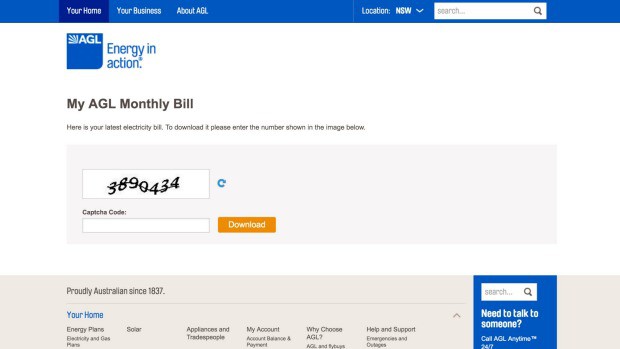
About 10,000 Australians have already been targeted in a Cryptolocker ransomware campaign that persuades individuals with an email that seems to come from local energy company AGL, as reported by the Sydney Morning Herald.

A bogus bill seems to be coming from the energy provider, but when a user clicks on a link to download their bill, a .zip file is downloaded instead. The malware then freezes the device, at which a payment of $640 is required to remove the malware.
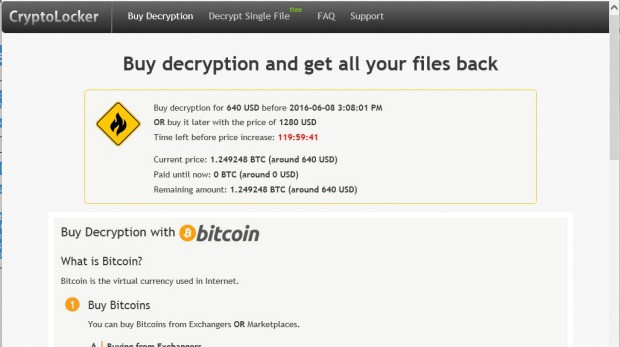
Cryptolocker ransomware
Cryptolocker Ransomware demanding infected for payment

As the emails are intended for users at their office, another serious risk is the attackers will obtain access to corporate emails which may then be used to spread the scam further.

Once the malware is delivered, the only option would be to restore from a backup or to wipe the computer’s hard drive and begin from scratch, said Raymond Schippers, a senior specialist at Check Point, which investigated the ransomware.

He said an analysis by Check Point found at least 10,000 people had actually gone to the end of the download process, and were “very likely to have been infected”, while “many more” could have been affected.

You might also like

Chinese Hackers Hijack Notepad++ Updates in 6-Month Supply Chain Campaign

Malicious Chrome Extensions Steal AI Data and Hijack Revenue in DarkSpectre Campaign

DoubleClickjacking – The Stealthy New Web Exploit Threatening User Security

The website used URLs such as “checkyourbills.com” or “electricitybill.com” and would look legitimate to “most users”, he said.

There are a couple ways customers can tell the email is fake.

When a receiver tries to open it within their phone or on a Mac computer, it gives you an error message and claims to use a Windows computer, also, the .zip file type is shady.

“Realistically, if you open it on your iPhone and it says ‘this doesn’t work on an iPhone’, it probably isn’t a real website,” Mr Schippers said. “All the websites from all Australian utilities work on phones these days.

“The .zip file is another indication that it’s not usually a bill either. They usually don’t send bills as .zip files, they’ll send them as .pdf or something similar.”

Tags: CryptoLockerransomware
Previous Post

Irongate ICS Malware targeting SCADA Systems

Next Post

Phishing threats at a all time high

Kyle

Kyle

Writer, and editor at ZeroSecurity. Interested in Information Security, the Blockchain, and an overall tech enthusiast. "Formal education will make you a living; self-education will make you a fortune." Contact me here: [email protected]

Recommended For You

Chinese Hackers Hijack Notepad++ Updates in 6-Month Supply Chain Campaign

Chinese Hackers Hijack Notepad++ Updates in 6-Month Supply Chain Campaign

February 6, 2026
Malicious Chrome Extensions Steal AI Data and Hijack Revenue in DarkSpectre Campaign

Malicious Chrome Extensions Steal AI Data and Hijack Revenue in DarkSpectre Campaign

January 30, 2026

DoubleClickjacking – The Stealthy New Web Exploit Threatening User Security

January 1, 2025

BadBox Botnet Infects Over 190,000 Android Devices Worldwide

December 20, 2024

FBI Warns of HiatusRAT Targeting Network Devices Worldwide

December 18, 2024

Was Deloitte Hacked Again? Ransomware Group Claims They Did

December 9, 2024

Related News

Malicious Chrome Extensions Steal AI Data and Hijack Revenue in DarkSpectre Campaign

Malicious Chrome Extensions Steal AI Data and Hijack Revenue in DarkSpectre Campaign

January 30, 2026
KPMG Netherlands Listed as Victim by Nova Ransomware Group

KPMG Netherlands Listed as Victim by Nova Ransomware Group

January 24, 2026
RansomHouse Claims Breach of Key Apple Assembler Luxshare

RansomHouse Claims Breach of Key Apple Assembler Luxshare

January 20, 2026
ZeroSecurity - Information Security News

We cover the latest in technology news, Crypto, Artificial Intelligence, and the threat trends impacting these sectors.

Categories

Piracy

Tutorials

Programming

Malware Analysis

Downloads

  • Contact us
  • Press
  • Writers
  • Privacy Policy
  • Terms of Service

© 2026 ZeroSecurity, All Rights Reserved.

No Result
View All Result
  • Home
  • Security
    • Tools
  • Exploits
  • Data Breaches
  • Malware
  • Privacy
  • Mobile Security
  • Contact Us
    • Press
  • Privacy Policy

© 2026 ZeroSecurity, All Rights Reserved.

This website uses cookies. By continuing to use this website you are giving consent to cookies being used. Visit our Privacy and Cookie Policy.