

ZeroSecurity - Information Security News
  • Home
  • Security
    • Exploits
    • Mobile Security
  • Malware
  • Breaches
  • Crypto
  • Privacy
  • Tech
    • AI
    • Downloads
      • Malwarebytes
      • Exploits
      • Paper Downloads
    • Reviews
No Result
View All Result
SUBSCRIBE
ZeroSecurity - Information Security News
  • Home
  • Security
    • Exploits
    • Mobile Security
  • Malware
  • Breaches
  • Crypto
  • Privacy
  • Tech
    • AI
    • Downloads
      • Malwarebytes
      • Exploits
      • Paper Downloads
    • Reviews
No Result
View All Result
ZeroSecurity - Information Security News
No Result
View All Result
Home Malware

Gauss – Believed to be State Funded

Paul by Paul
August 10, 2012
in Malware
Reading Time: 2 mins read
virus malware death skull 600
Share on FacebookShare on Twitter

virus malware death skull 600After the release of Securelist’s whitepaper on the Gauss cyber-attack, they’ve been asked if there’s a painless way for users to determine if their system is infected.  Normally the most dependable way is to download and install an Antivirus or use the free Kaspersky Virus Removal Tool.

GAUSS has been detected on 2,500 computers, mostly in Lebanon according to Kaspersky. The code tries to acquire logins for email and instant messaging accounts, social networks and also bank accounting information.

The report says that the Bank of Beirut, Byblos Bank, Blom Bank and Credit Libanais have been targeted along with the online payment system Paypal.

You might also like

Chinese Hackers Hijack Notepad++ Updates in 6-Month Supply Chain Campaign

Malicious Chrome Extensions Steal AI Data and Hijack Revenue in DarkSpectre Campaign

DoubleClickjacking – The Stealthy New Web Exploit Threatening User Security

Costin Raiu, Kaspersky’s director of global research and analysis said in an interview “We have never seen any malware target such a specific range of banks. Generally, cybercriminals target as many banks as possible to maximize financial profit, but this is a very focused cyberespionage campaign targeting certain users of online banking systems.”

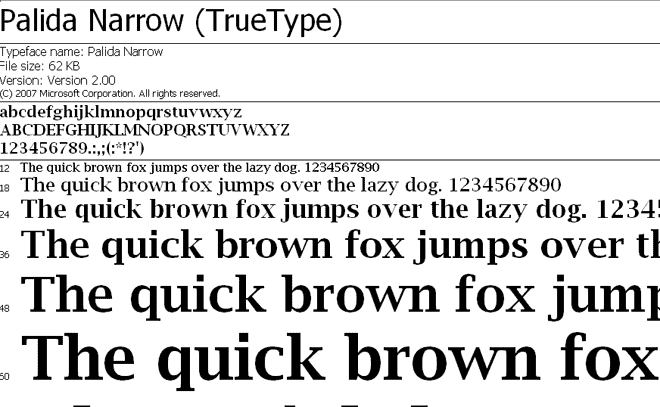
The thought of checking the system utilizing a webpage comes from the wellknown Hungarian research lab, known as CrySyS.  They’ve also presented a web-based formula to check your system for Palida Narrow. Their test webpage is currently available here: http://gauss.crysys.hu.
725


Securelist has given the users some examples of the iframe window which holds the javascript code check to verify whether you have the mysterious Palida Narrow font installed.

This font was applied during the Gauss cyber-attack.  Although many sill don’t presently understand precisely why the aggressors have installed this font, it could serve as an indicator of Gauss activity on your system.


Tags: bankingGausslatestmalwaretrojanvirus.removal
Previous Post

Google Translate can instantly interpret images of text

Next Post

FBI and IC3 Issue a warning on Revention Ransomeware

Paul

Paul

Editor and chief at ZeroSecurity. Expertise includes programming, malware analysis, and penetration testing. If you would like to write for ZeroSecurity, please click "Contact us" at the bottom of the page.

Recommended For You

Chinese Hackers Hijack Notepad++ Updates in 6-Month Supply Chain Campaign

Chinese Hackers Hijack Notepad++ Updates in 6-Month Supply Chain Campaign

February 6, 2026
Malicious Chrome Extensions Steal AI Data and Hijack Revenue in DarkSpectre Campaign

Malicious Chrome Extensions Steal AI Data and Hijack Revenue in DarkSpectre Campaign

January 30, 2026

DoubleClickjacking – The Stealthy New Web Exploit Threatening User Security

January 1, 2025

BadBox Botnet Infects Over 190,000 Android Devices Worldwide

December 20, 2024

FBI Warns of HiatusRAT Targeting Network Devices Worldwide

December 18, 2024

Was Deloitte Hacked Again? Ransomware Group Claims They Did

December 9, 2024
Please login to join discussion

Related News

Malicious Chrome Extensions Steal AI Data and Hijack Revenue in DarkSpectre Campaign

Malicious Chrome Extensions Steal AI Data and Hijack Revenue in DarkSpectre Campaign

January 30, 2026
KPMG Netherlands Listed as Victim by Nova Ransomware Group

KPMG Netherlands Listed as Victim by Nova Ransomware Group

January 24, 2026
RansomHouse Claims Breach of Key Apple Assembler Luxshare

RansomHouse Claims Breach of Key Apple Assembler Luxshare

January 20, 2026
ZeroSecurity - Information Security News

We cover the latest in technology news, Crypto, Artificial Intelligence, and the threat trends impacting these sectors.

Categories

Piracy

Tutorials

Programming

Malware Analysis

Downloads

  • Contact us
  • Press
  • Writers
  • Privacy Policy
  • Terms of Service

© 2026 ZeroSecurity, All Rights Reserved.

No Result
View All Result
  • Home
  • Security
    • Tools
  • Exploits
  • Data Breaches
  • Malware
  • Privacy
  • Mobile Security
  • Contact Us
    • Press
  • Privacy Policy

© 2026 ZeroSecurity, All Rights Reserved.

This website uses cookies. By continuing to use this website you are giving consent to cookies being used. Visit our Privacy and Cookie Policy.